Top Attractions in Benin – Must-Visit Destinations in 2026
Benin is a country of extraordinary depth – a place where ancient kingdoms, living Voodoo traditions, and UNESCO World Heritage sites coexist alongside vibrant modern cities and breathtaking natural landscapes. In 2026, Benin remains one of West Africa’s most authentic and rewarding travel destinations. Before you explore, ensure you have your Benin eVisa ready for your trip.
1. Royal Palaces of Abomey – UNESCO World Heritage
The Royal Palaces of Abomey are Benin’s most celebrated historical site and a UNESCO World Heritage Site since 1985. Once the seat of the powerful Dahomey Kingdom (17th-19th century), the palace complex spans 40 hectares and contains 12 royal palaces. The Historical Museum of Abomey, housed within the palace grounds, displays remarkable artifacts including the famous bas-reliefs depicting Dahomey history and the skull-adorned royal thrones. Abomey is located approximately 140 km from Cotonou.
2. Ouidah – Sacred City of Voodoo & Slave Trade History
Ouidah is perhaps the most spiritually significant city in Benin – the world capital of Voodoo and a deeply important site of slave trade history. Key attractions include:
- The Route des Esclaves (Slave Route) – A 4km path walked by enslaved Africans from the forest of forgetfulness to the beach where they boarded ships
- Door of No Return – A powerful memorial archway on the beach at the end of the Slave Route
- Temple des Pythons – Sacred temple housing dozens of live pythons, revered as messengers of the Voodoo god Dan
- Fort Portugais (Fort São João Baptista de Ajudá) – One of the last remaining slave trade forts in Benin
- Jardin des Plantes et de la Nature – A botanical garden and memorial park
3. Ganvié – The Venice of Africa
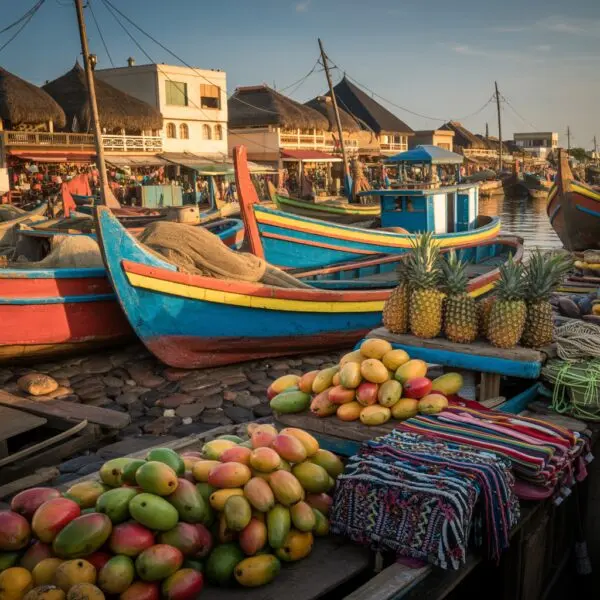
Ganvié is one of Africa’s most extraordinary sights – a village of over 20,000 people built entirely on stilts above Lake Nokoué. Founded in the 17th century by the Tofinu people seeking refuge from Dahomey slave raids (their pursuers had a taboo against entering water), Ganvié is now a UNESCO candidate site and Benin’s most photographed attraction. Access is by pirogue (traditional dugout canoe) from the village of Abomey-Calavi, approximately 15 km north of Cotonou.
4. Cotonou – Vibrant Economic Capital
Cotonou is Benin’s largest city and its economic hub, though Porto-Novo is the official capital. Must-see attractions include:
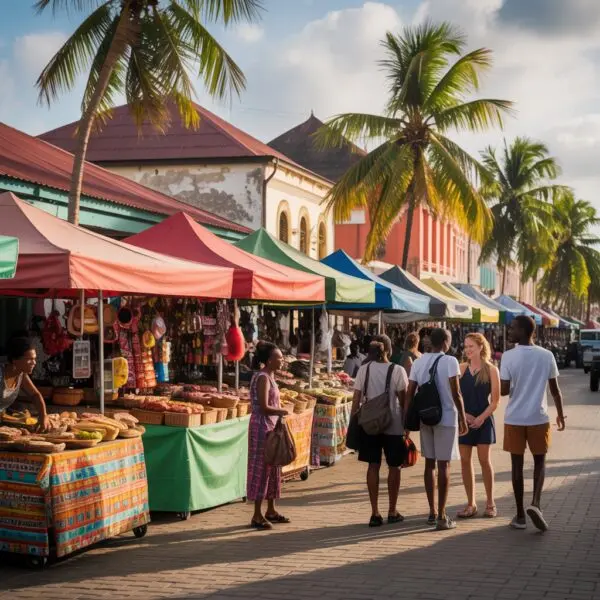
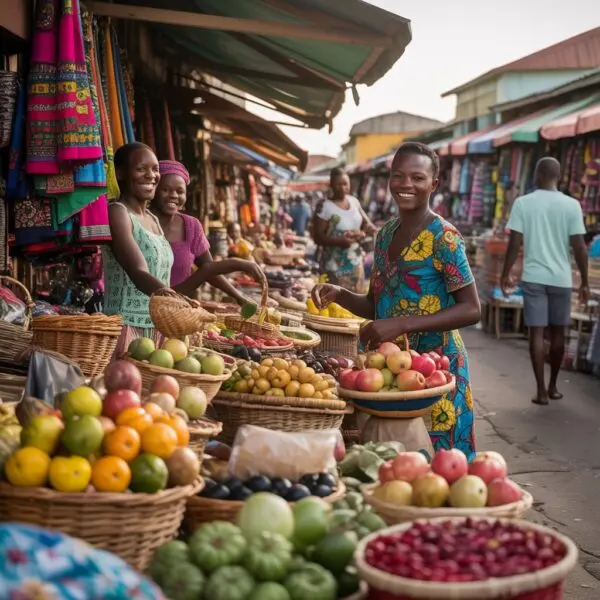
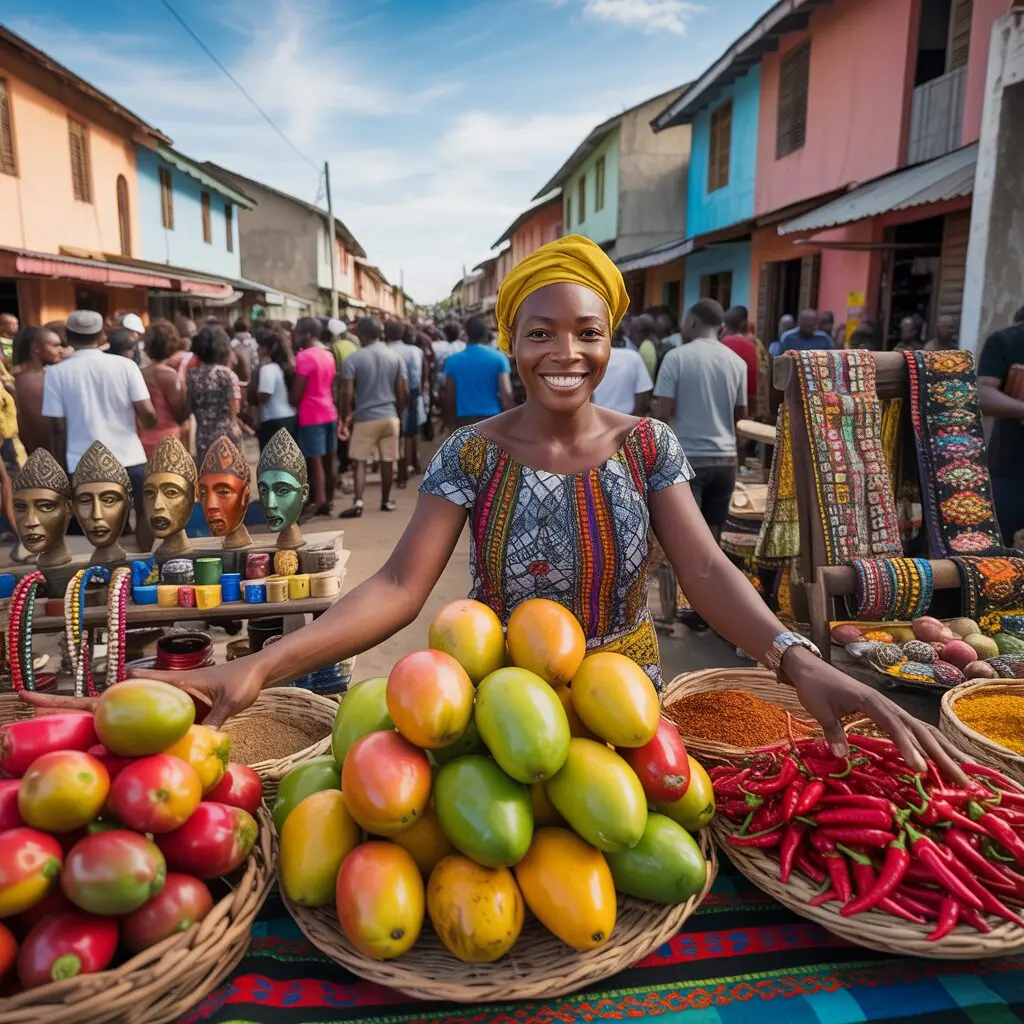
- Marché Dantokpa – One of West Africa’s largest markets, a sensory explosion of colors, sounds, and smells
- Plage de Fidjrossè – Urban beach popular with locals for swimming, surfing, and seafood
- Fondation Zinsou – Excellent contemporary African art museum in a beautiful colonial mansion
- Centre Artisanal de Cotonou – Perfect for buying authentic Beninese crafts, textiles, and souvenirs
5. Porto-Novo – The Official Capital
Porto-Novo is Benin’s official capital and one of West Africa’s most underrated colonial-era cities. Key sights:
- Grande Mosquée du Porto-Novo – An extraordinary Afro-Brazilian mosque blending Islamic and colonial architectural styles
- Musée da Silva – Housed in a beautiful Brazilian colonial building, showcasing Afro-Brazilian art and history
- Musée Honmè – Royal palace of the Kings of Porto-Novo
6. Pendjari National Park
Pendjari National Park in the far northwest is one of West Africa’s last remaining wilderness areas and part of the larger WAP (W-Arly-Pendjari) transboundary park complex. It’s one of the best places in West Africa to see elephants, hippos, lions, leopards, and buffalo in their natural habitat. Note: check current safety advisories for northern Benin before visiting.
7. Parakou & Northern Benin
Parakou is the main city of northern Benin and a center of Bariba and Fulani culture. The Tata Somba (fortified houses) of the Atakora region are remarkable traditional earthen dwellings. Again, check travel advisories for the far north.
Frequently Asked Questions
How many days do I need to see Benin’s top attractions?
A minimum of 7-10 days allows you to cover the main southern attractions (Cotonou, Ouidah, Ganvié, Abomey, Porto-Novo). Add 3-5 more days for the north and Pendjari.
Is Ganvié worth visiting?
Absolutely – Ganvié is one of Africa’s most unique and photogenic destinations. The boat trip across Lake Nokoué and the village itself are unforgettable. Allow half a day for the excursion from Cotonou.
What is the best day trip from Cotonou?
Ouidah (45 minutes by road) is the most popular and rewarding day trip from Cotonou, offering the Slave Route, Python Temple, and Door of No Return. Ganvié (30 minutes) is another excellent option.
Do I need a guide for Benin attractions?
A local guide adds enormous value at sites like the Royal Palaces of Abomey and Ouidah, where the history and cultural significance require explanation. Guides can be arranged locally or booked in advance through Cotonou tour operators.