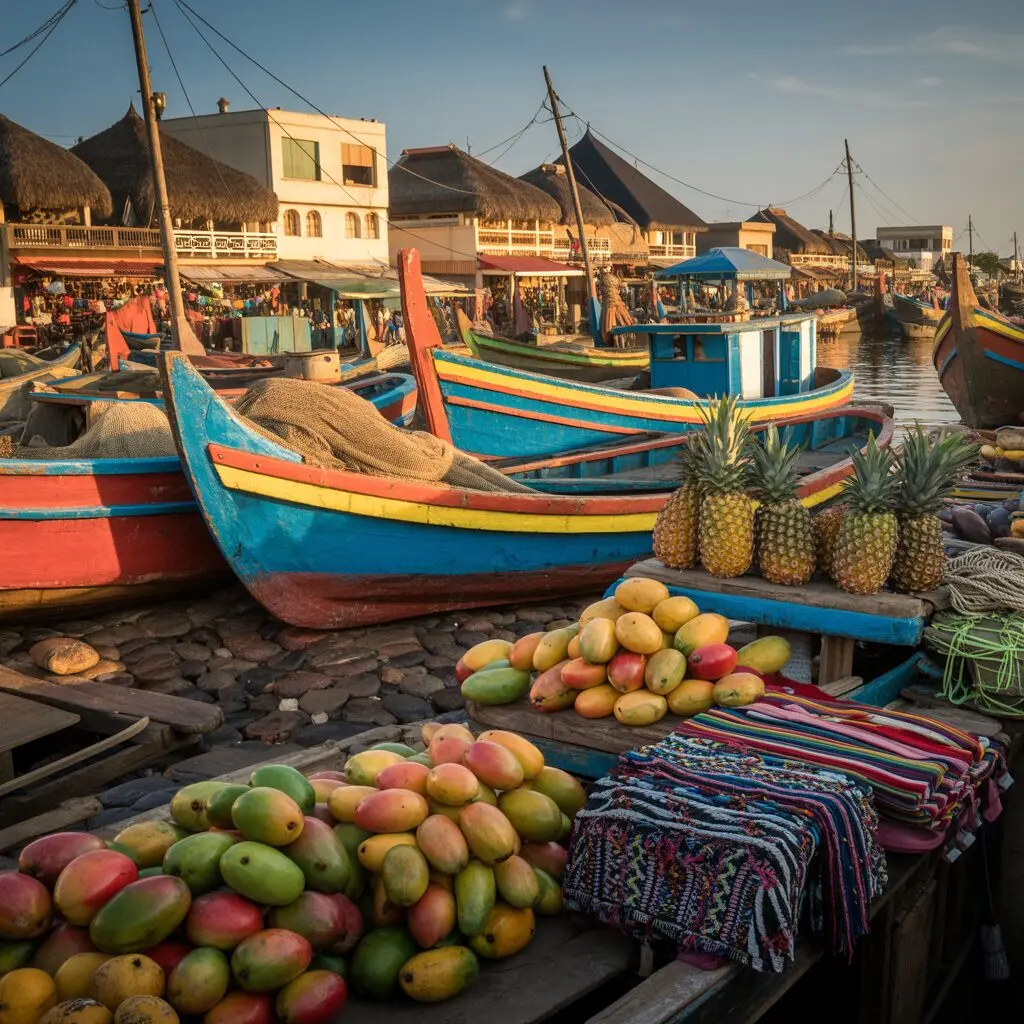
Cotonou Travel Guide 2026 – Discovering Benin’s Vibrant Capital
Cotonou is the beating heart of Benin – the largest city, economic capital, and main international gateway to this fascinating West African nation. While Porto-Novo holds the title of official capital, Cotonou is where most visitors begin and end their Benin adventure. With its sprawling markets, world-class contemporary art scene, Atlantic beaches, and irresistible street food culture, Cotonou is more than just a transit point – it’s a destination in itself. Before visiting, make sure you have your Benin eVisa sorted in advance.
Getting to Cotonou
Most international travelers arrive at Cadjehoun International Airport (COO), located just 5 km from the city center. The airport handles flights from Paris, Brussels, Istanbul, Casablanca, Addis Ababa, and major West African hubs. Taxis are available at the airport exit (negotiate the fare – typically 3,000-5,000 XOF to central Cotonou). Some hotels offer airport transfers.
Travelers arriving with a pre-approved Benin eVisa use the dedicated fast lane at immigration. Those using the visa on arrival should follow signs to the visa counter before proceeding to passport control.
Top Things to Do in Cotonou
Marché Dantokpa
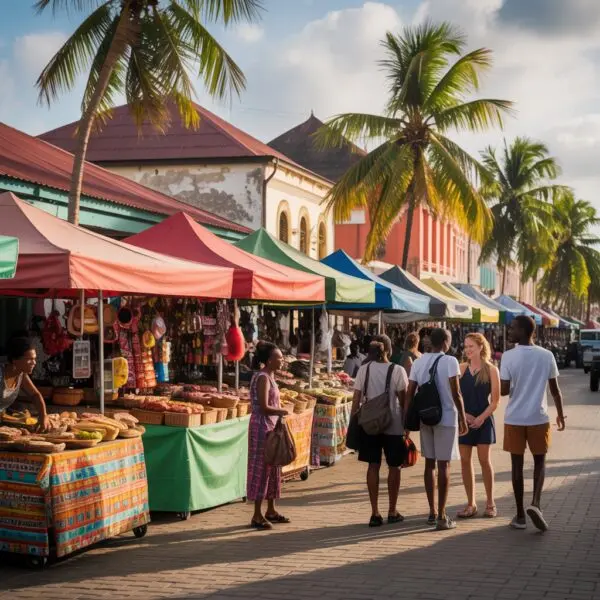
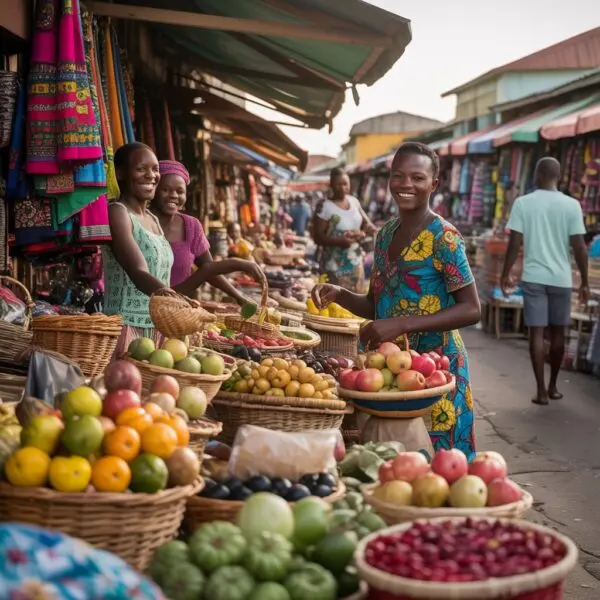
No visit to Cotonou is complete without exploring the Marché Dantokpa – one of West Africa’s largest open-air markets. Sprawling across the banks of the Cotonou lagoon, this labyrinthine market sells everything from fresh produce and fabrics to electronics, medicine, and religious artifacts. Go with a guide for your first visit to navigate the maze and avoid getting lost.
Fondation Zinsou
One of Africa’s finest contemporary art museums, the Fondation Zinsou is housed in a beautifully restored colonial mansion. It showcases African contemporary art including painting, sculpture, photography, and video installations. Free admission. Not to be missed.
Plage de Fidjrossè
Cotonou’s most popular urban beach stretches along the Atlantic Ocean west of the city. Fidjrossè Beach is particularly lively on weekends when Beninese families gather for swimming, football, grilled fish, and cold drinks. The Atlantic current is strong – swim with caution and heed local advice.
Centre Artisanal de Cotonou
The artisan market near the city center is the best place to buy authentic Beninese crafts – including bronze sculptures, wooden masks, wax fabrics (pagne), leather goods, and jewelry. Bargaining is expected and part of the fun.
Graffiti Port Wall
Along the port road near the fishing village of Ganhi, a remarkable mural wall created by local and international street artists tells Benin’s history through vivid graffiti. A unique photo opportunity and an example of Cotonou’s thriving urban art scene.
Day Trips from Cotonou
Cotonou’s location makes it an ideal base for exploring southern Benin:
- Ouidah (45 km west) – Slave Route, Python Temple, Door of No Return
- Ganvié (15 km north) – Lake village on stilts, accessible by pirogue
- Porto-Novo (30 km east) – Official capital, colonial architecture, museums
- Abomey (140 km north) – Royal Palaces UNESCO site
See our top attractions guide for full details on each destination.
Where to Stay in Cotonou
Cotonou offers accommodation for all budgets:
- Luxury: Golden Tulip Le Diplomate, Azalaï Hôtel de la Plage (beachfront)
- Mid-range: Hôtel de la Paix, various business hotels in Haie Vive district
- Budget: Several guesthouses and auberges in the Cadjehoun and Ganhi areas
Where to Eat in Cotonou
Cotonou’s food scene is excellent:
- Street food: Atassi (black-eyed pea fritters), akassa (corn paste), grilled fish on Fidjrossè Beach
- Restaurants: Numerous French, Lebanese, Beninese, and West African restaurants in Haie Vive and along the beach road
- Maquis: Open-air restaurants serving local Beninese cuisine – try poulet DG (chicken with plantains) and pâte rouge (corn paste with tomato sauce)
Frequently Asked Questions
How many days should I spend in Cotonou?
Two to three days is sufficient to see Cotonou’s main attractions. Add more time if you plan multiple day trips to Ouidah, Ganvié, and Abomey from a Cotonou base.
Is Cotonou expensive for tourists?
Cotonou is affordable by Western standards. Budget travelers can survive on 30-50 USD/day. Mid-range options (comfortable hotel, restaurant meals) run 80-120 USD/day.
What is Cotonou’s airport code?
Cotonou’s international airport is Cadjehoun Airport with IATA code COO. It handles the majority of Benin’s international flights.
Can I use Euros in Cotonou?
Yes – Euros are widely accepted in hotels, upscale restaurants, and some shops in Cotonou. However, the local currency (XOF CFA franc) is needed for markets, street food, and local transport. ATMs dispense CFA francs.
Nightlife & Entertainment in Cotonou
Cotonou has a vibrant nightlife scene centered along the beachfront road and in the Haie Vive neighborhood. Popular spots include open-air bars, live music venues playing West African rhythms like Agbadja, Afrobeats, and coupé-décalé, and nightclubs that stay open until the early hours. The beachside bars near Fidjrossè are particularly atmospheric in the evenings, with the sound of the Atlantic Ocean as background music. Prices are reasonable by Western standards.
Safety & Practical Tips for Cotonou
Cotonou is generally safe for tourists taking reasonable precautions. Avoid walking alone at night in poorly lit areas, keep valuables secure, and be aware of your surroundings in crowded markets where pickpocketing can occur. Trusted local guides significantly enhance safety for first-time visitors. Register your trip with your country’s embassy before arrival. For the complete list of requirements to enter Benin, see our entry requirements guide. Apply for your Benin eVisa well in advance, and review our comprehensive travel tips for additional preparation advice.