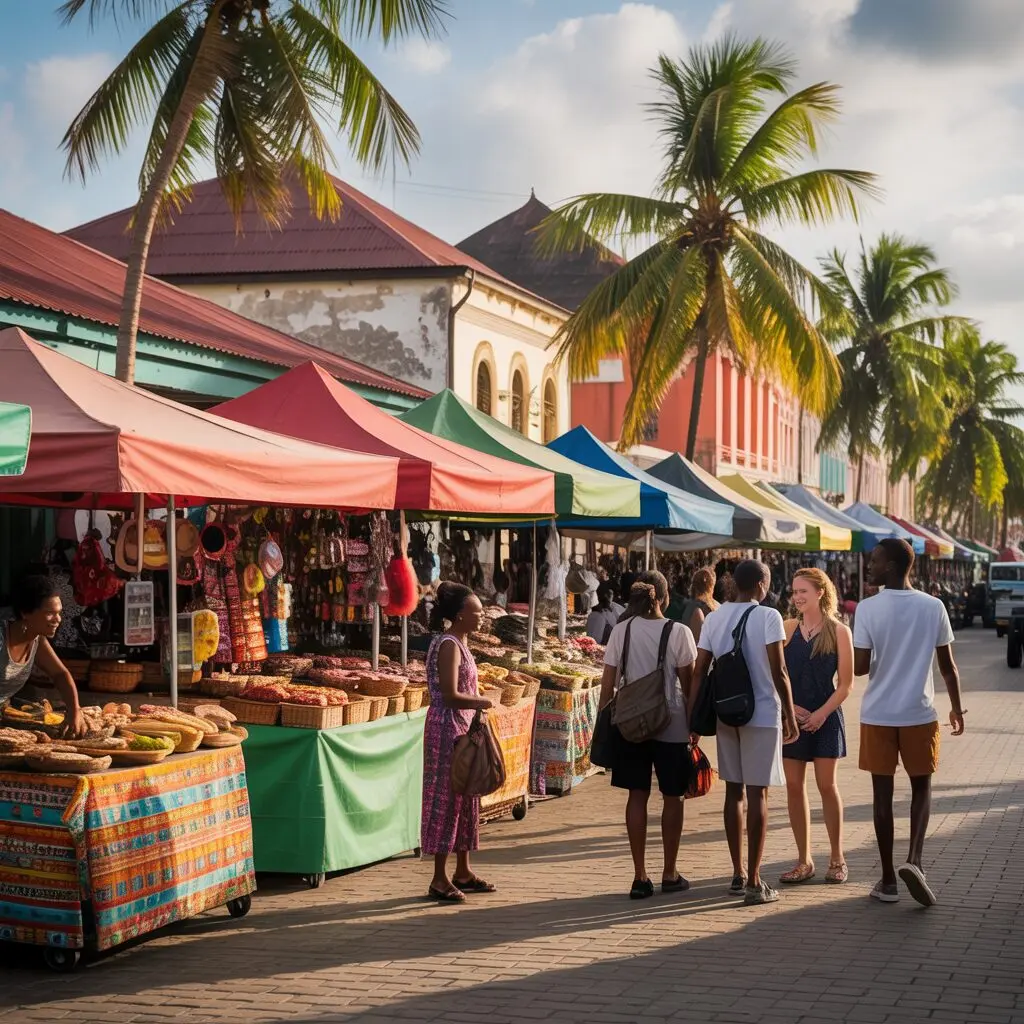
Benin Travel Guide 2026 – Your Complete Introduction
The Republic of Benin is one of West Africa’s most fascinating and underrated travel destinations. From the ancient royal palaces of Abomey to the iconic Ganvié lake village, the mystical Voodoo traditions of Ouidah, and the lively capital of Cotonou, Benin offers a rich cultural experience unlike anywhere else on earth. This Benin travel guide for 2026 covers everything you need to plan an unforgettable trip – from visa requirements and health precautions to transportation, accommodation, and must-see attractions.
Essential Entry Information for 2026
Before you pack your bags, ensure you have all the necessary entry documents:
- Visa – Most nationalities need a visa. Apply for the Benin eVisa online at evisa.bj at least 10 days before travel. Fees start at 50 EUR for a 30-day single entry visa.
- Passport – Valid for at least 6 months, with 1 blank page
- Yellow fever certificate – Mandatory for all travelers. See our requirements guide for details.
Getting to Benin
The main international gateway to Benin is Cadjehoun International Airport (COO) in Cotonou. There are no direct flights from North America or Australia – most travelers connect through:
- Europe: Paris (Air France), Brussels (Brussels Airlines), Istanbul (Turkish Airlines)
- Africa: Casablanca (Royal Air Maroc), Addis Ababa (Ethiopian Airlines), Nairobi (Kenya Airways), Lagos (various)
Overland entry is also possible from Nigeria (Kraké/Sèmè border), Togo (Hillacondji), and Burkina Faso.
Best Time to Visit Benin
Benin has a tropical climate with two dry seasons and two rainy seasons. The best times to visit are:
- November to February – Dry season, cooler temperatures, excellent for sightseeing. This is peak tourist season.
- March to May – Hot but generally dry in the south; the Harmattan wind from the Sahara can reduce visibility.
Avoid traveling during the peak rainy seasons (June-July and September-October) as heavy rains can make some roads impassable.
Top Destinations in Benin
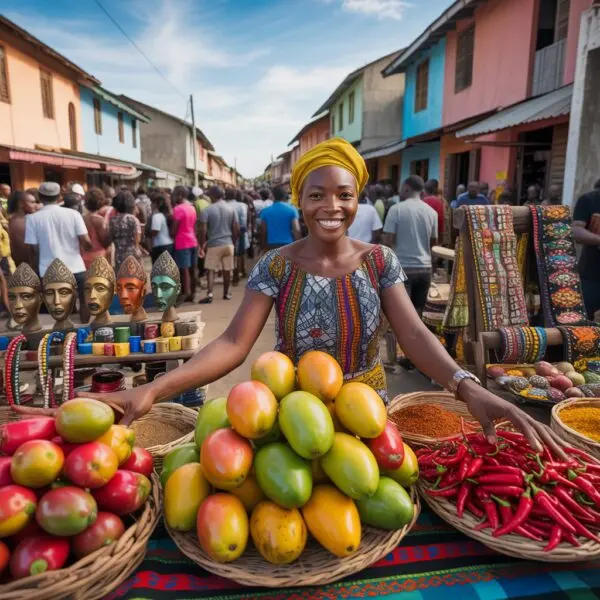
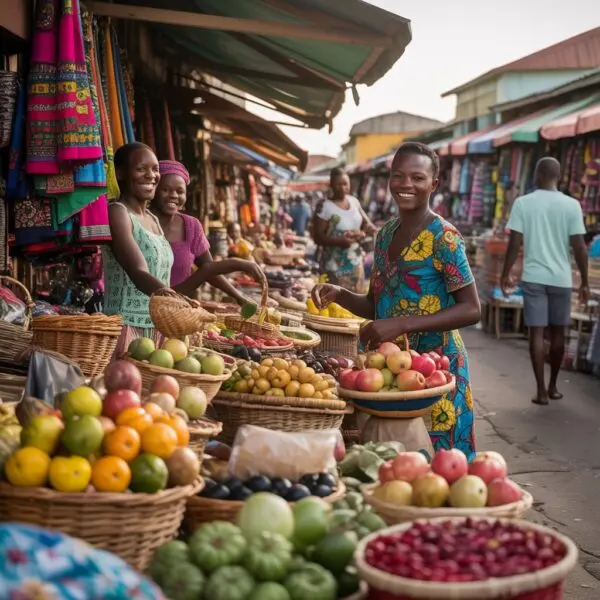
Cotonou – The economic capital and main city. Visit the vibrant Dantokpa Market (one of West Africa’s largest), the beaches, and the Artisanat district. See our dedicated Cotonou travel guide.
Ouidah – Benin’s spiritual heart and the center of Voodoo tradition. Visit the Route des Esclaves (Slave Route), the Python Temple, the Door of No Return memorial, and the historic Fort Portugais.
Abomey – UNESCO World Heritage site with the Royal Palaces of the Dahomey Kings. The Historical Museum of Abomey is one of Africa’s finest.
Ganvié – The famous “Venice of Africa” – a lake village built entirely on stilts above Lake Nokoué. Home to over 20,000 residents, accessible only by pirogue (canoe).
Porto-Novo – Benin’s official capital with colonial architecture, museums, and the stunning Afro-Brazilian mosque. See our top attractions guide for more.
Health & Safety in 2026
Beyond the mandatory yellow fever vaccination, travelers to Benin should be aware of:
- Malaria – Prevalent throughout Benin. Take antimalarial medication and use mosquito repellent and nets.
- Water – Drink bottled or treated water only. Avoid ice cubes from unknown sources.
- Food safety – Street food can be excellent but choose stalls that cook food fresh and hot.
- Travel insurance – Medical evacuation insurance is strongly recommended.
Currency & Money
Benin uses the West African CFA franc (XOF), tied to the Euro at a fixed rate (1 EUR = 655.96 XOF). Euros are widely accepted, especially in hotels and tourist areas. USD is also usable but less common. ATMs are available in Cotonou and major towns. Carry some cash as many smaller establishments don’t accept cards.
Language
The official language is French. Local languages include Fon, Yoruba, Bariba, and dozens of others. English is spoken in tourist areas and hotels but is not widely used outside Cotonou.
Frequently Asked Questions
Is Benin safe for tourists in 2026?
The south of Benin, including Cotonou, Ouidah, and Abomey, is generally safe for tourists taking normal precautions. The northern border regions with Burkina Faso should be avoided due to security concerns. Always check your government’s travel advisory before visiting.
What is Benin famous for?
Benin is famous for its ancient Dahomey Kingdom and royal palaces, Voodoo traditions (originated in Benin), the Ganvié lake village, the Ouidah slave trade history and Door of No Return, and its vibrant art scene.
How much money do I need per day in Benin?
Budget travelers can manage on 30-50 USD per day (hostel, street food, local transport). Mid-range travelers spending on comfortable hotels and restaurants should budget 80-150 USD per day.
Do I need a visa for Benin if I’m from Nigeria?
No – Nigerian citizens are members of ECOWAS and can enter Benin visa-free for stays up to 90 days under the ECOWAS free movement protocol.